
Starting a home renovation is thrilling. It gives your space a fresh new look. Choosing the right materials is the first step to a great upgrade. Quality materials mean your investment lasts longer.
Homeowners face a challenge: making a bathroom look good and work well in a wet environment. You need to pick surfaces that handle water well and look good together. Looking into bathroom tile ideas helps you find the perfect mix of looks and function.
This guide will help you make smart choices. These choices will boost your home’s value and show off your style. Planning carefully ensures your bathroom stays beautiful and strong for many years.
Assessing Your Space and Style Requirements
Starting your bathroom makeover means knowing your space and style. Before buying anything, measure your room carefully. This ensures your dream bathroom is both beautiful and practical. Proper planning helps avoid mistakes and meets your long-term needs.
Evaluating Bathroom Dimensions and Layout
Getting the measurements right is key to a great renovation. Measure your floor and walls to figure out how much material you need. Remember to add 10% to 15% extra for cuts, breaks, and future fixes.
Think about how your room flows. Note where plumbing, doors, and cabinets are. This helps you plan where your tiles will go. A well-planned space means less waste during installation.
Defining Your Aesthetic Goals
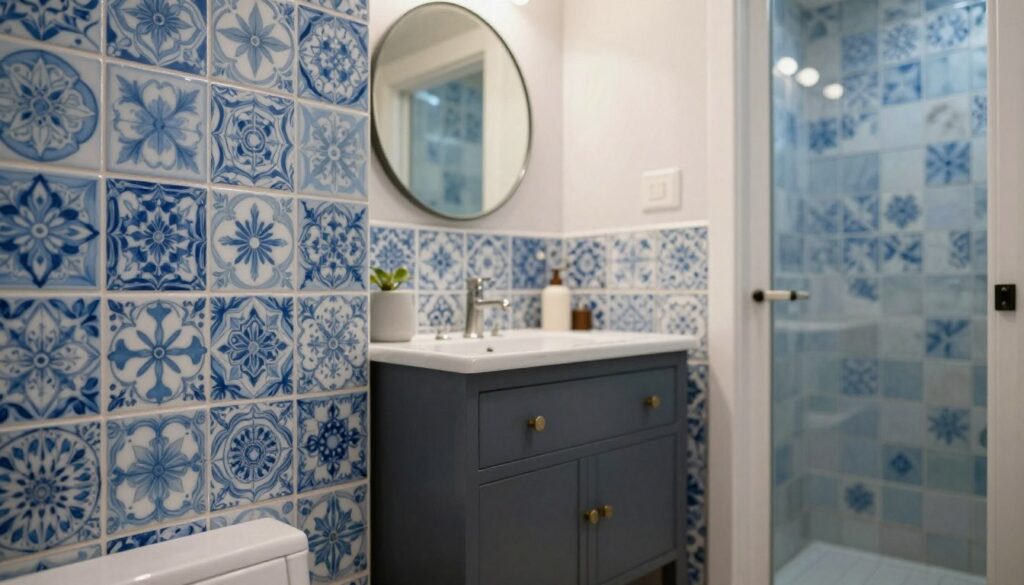
Your design should match your taste and home’s style. Whether you want a big change or a small update, knowing your style helps. This narrows down the many choices available.
Modern Minimalist vs. Classic Traditional
A modern minimalist look is all about simplicity. It uses clean lines, neutral colors, and big tiles. This style makes a room feel calm and clear.
On the other hand, a classic traditional design is all about elegance. It often includes detailed patterns, subway tiles, or natural stone. This style adds a timeless beauty to your space.
Selecting Color Palettes for Small and Large Bathrooms
Color affects how we see a room’s size. Light colors make small spaces feel bigger and brighter. For small bathroom tiles, choose soft whites, light grays, or pale blues.
In bigger bathrooms, you can try bolder colors or patterns. Using small bathroom tiles in a large space adds detail and texture. Just make sure the colors work together. Your color choice should match the room’s size and the mood you want.
Choosing the Best Bathroom Tiles for Durability
Choosing the best bathroom tiles is about finding a mix of looks and lasting quality. Bathrooms are wet places, so your tiles need to handle water and humidity well. This way, your bathroom stays beautiful and strong for many years.
Understanding Material Differences
The type of tile you pick affects how long it lasts and how well it holds up to damage. Knowing how different materials handle moisture is key for a successful bathroom makeover.
Ceramic vs. Porcelain Performance
Ceramic tiles are great for walls because they’re easy to cut and versatile. But, porcelain tiles are better for floors because they’re denser and less absorbent.
Porcelain takes in less than 0.5% water, making it perfect for busy, wet areas. It’s also less likely to crack or stain than regular ceramic tiles.
Natural stone, like marble or slate, adds a classic and luxurious feel. But, it needs regular care to keep it looking good. This includes sealing it often to stop water and stains.
If you don’t take care of natural stone, it can get damaged by common cleaners. You’ll need to spend time keeping it in top shape to keep its beauty.
Assessing Slip Resistance and Safety Ratings
When picking the best bathroom tiles, don’t forget about safety. Slippery floors are a big risk, and they’re even more dangerous where water often spills.
Understanding COF (Coefficient of Friction)
The Coefficient of Friction (COF) shows how slippery a tile is. Tiles with a higher COF are safer because they grip better, which is important in wet areas.
Always look at the COF rating before buying. Tiles with a high COF are a smart safety choice for any bathroom.
| Material Type | Water Absorption | Durability | Maintenance Level |
| Porcelain | Very Low | Excellent | Low |
| Ceramic | Moderate | Good | Low |
| Natural Stone | High | Variable | High |
Creative Bathroom Tile Ideas for Modern Spaces
To make your bathroom stylish, balance geometry, scale, and texture. Don’t stick to just subway tiles. Instead, choose contemporary sanctuary ideas to make your bathroom special. These modern tile designs let you show your style while keeping things sleek.
Incorporating Geometric Patterns and Shapes
Geometric shapes are great for adding focus to your bathroom. Try hexagons, chevrons, or herringbone patterns on walls or floors. These shapes create a lively look that catches the eye and makes your space feel special.
Using Large Format Tiles to Expand Visual Space
Big tiles can change a small bathroom. They reduce grout lines, making the space look bigger. A floor or wall that seems like one piece makes your bathroom feel more open and spacious.
Mixing Textures for Depth and Interest
Professional designers love mixing textures. It adds depth and interest without just using color. This way, your bathroom tile ideas stay interesting from all sides.
Combining Matte and Gloss Finishes
Playing with light is key. Mix matte and gloss tiles for a fancy look. Glossy tiles reflect light, while matte absorbs it. This contrast creates a refined aesthetic that’s all about modern luxury.
| Tile Style | Visual Impact | Best Use Case |
| Geometric | High Energy | Feature Walls |
| Large Format | Minimalist | Small Bathrooms |
| Mixed Texture | Sophisticated | Shower Enclosures |
Planning Your Tile Layout and Pattern
A successful bathroom renovation needs careful planning. You must balance geometry, math, and style. Knowing the latest tile trends helps you choose designs that are both modern and timeless.
Calculating Square Footage and Overages
Getting the measurements right is key. Calculate the total square footage of your walls and floors. Then, add 10% to 15% overage for cuts, breakage, and repairs.
“Measure twice, cut once. Precision in the planning phase prevents costly delays and ensures your pattern remains consistent across the entire surface.”
Always check your measurements against the tile dimensions. Larger tiles need different waste calculations than smaller mosaics.
Selecting Patterns for Visual Impact
The way you arrange your tiles can change how your bathroom looks. Modern tile trends focus on movement and texture. This turns a simple surface into a stunning focal point.
Herringbone and Chevron Layouts
These patterns add dynamic movement to a room. They look similar but offer different effects:
- Herringbone: Uses rectangular tiles at 90-degree angles for a classic look.
- Chevron: Tiles cut at an angle form a continuous “V” shape for a modern look.
Stack Bond vs. Running Bond Techniques
Choosing between these methods shapes your space’s character. A stack bond pattern creates clean, minimalist lines perfect for modern bathrooms.
The running bond, or brick pattern, offsets each row for a traditional look. It adds stability and depth to your walls or floors.
Accounting for Grout Lines and Color Coordination
Grout is more than just functional; it’s a design element. The right color can either highlight your pattern or create a seamless look.
For a bold look, choose a high-contrast grout color. For a softer look, match the grout to the tile color. This follows the latest tile trends in minimalist design.
Essential Tile Installation Tips for Success
Whether you’re a pro or a beginner, the key to a successful renovation is precise installation. Mastering these diy tile projects ensures your hard work lasts. A beautiful finish depends on a solid foundation.
Preparing the Subfloor and Wall Surfaces
Before starting, make sure your surfaces are clean, dry, and level. Any flaws in the subfloor or walls will show in your tiles. Always check that your substrate is strong and free of dust or debris.
Over wood? Add a cement backer board for a stable base. This step prevents movement that could harm your bond. Proper preparation is key for lasting success.
Tools Required for a Professional Finish
The right tools make a big difference in tile installation tips. You’ll need a quality notched trowel, a reliable tile cutter, and a rubber grout float. These tools help keep your work consistent.
Using Tile Spacers and Leveling Systems
For a professional look, always use tile spacers. They keep grout lines even and prevent tiles from shifting. Modern leveling systems also ensure tiles are perfectly flush.
“Quality is not an act, it is a habit.”
Aristotle
Applying Thin-set Mortar and Grout Correctly
The bond between your tile and the wall relies on thin-set mortar. Use a notched trowel for even coverage and strong adhesion. Press each tile firmly to avoid air pockets that could weaken the structure.
Best Practices for Waterproofing Wet Areas
Waterproofing is vital in bathrooms to prevent moisture damage. Use a high-quality liquid membrane or a waterproof board system. Don’t forget the corners and seams, as they’re common leak points.
Maintaining Your New Bathroom Tile Design
Keeping your bathroom looking great means sticking to a regular cleaning plan. This plan should match the materials in your bathroom remodeling ideas. By cleaning often, you keep your bathroom looking new for a long time.
Routine Cleaning Strategies for Different Materials
Each tile type needs its own cleaning method to stay shiny. For ceramic or porcelain, warm water and a pH-neutral cleaner are perfect. Stay away from acidic cleaners that can harm the surface.
Natural stone, like marble, needs special care. Use cleaners made for stone to avoid stains. Regularly sweeping or vacuuming helps prevent scratches when you mop.
Preventing Mold and Mildew in Grout Lines
Grout absorbs moisture and dirt easily. To fight this, turn on your exhaust fan during and after showers. This helps keep humidity low, which stops mold in your bathroom remodeling ideas.
For tough stains, try a soft brush and baking soda paste. Don’t use metal scrapers, as they can damage grout or tiles. Consistency is the key to avoiding hard-to-remove stains.
When to Reseal Natural Stone and Grout
Sealing is key to protecting your surfaces from water and stains. Glazed tiles don’t need sealing, but grout does. Apply a good sealer to grout every one to two years to keep it water-resistant.
Natural stone might need sealing more often, depending on its type and where it’s placed. If water doesn’t bead on it, it’s time for a new seal. Adding these steps to your bathroom remodeling ideas will keep your space beautiful and safe for years.
Conclusion
Your bathroom renovation needs a mix of looks and strength. Choosing the right materials from brands like Daltile or MSI Surfaces is key. This ensures your bathroom can handle daily moisture and wear.
Being precise in planning is vital to avoid future problems. Make sure to measure your space right and pick quality thin-set mortar. This keeps your tile work safe for years. Every small detail helps your project last longer.
Remember these tips as you start your renovation. You know how to plan your layout, pick durable finishes, and keep surfaces clean. Begin your project today to create a bathroom that shows off your style and lasts forever.
FAQ
What are the best bathroom tiles for high-moisture areas like walk-in showers?
Porcelain tiles from brands like Daltile or Marazzi are top choices for wet areas. They are denser and less porous than ceramic, making them water-resistant. Porcelain also lets you get modern looks that mimic stone or wood, while being tough enough for busy bathrooms.
How can I use small bathroom tiles to make a compact room feel larger?
Using large tiles, like those from Walker Zanger, can make a small space seem bigger. This is because fewer grout lines are needed. If you like smaller mosaics, pick a grout color that matches the tile closely. This creates a look that makes the room feel bigger.
What are the most important tile installation tips for successful DIY tile projects?
Preparing the surface is key for DIY tile projects. Make sure the subfloor is level and use a strong waterproofing membrane, like Schluter-Kerdi. Also, use a tile leveling system from Tavy or QEP to get a smooth finish.
What are the current tile trends for modern bathroom remodeling ideas?
Today, tiles are moving towards bold patterns like Herringbone and Chevron. People are also adding natural textures, like those from Ann Sacks, to their bathrooms. Mixing different finishes, like matte floors with glossy backsplashes, is another trend to add depth to your space.
How do I check if my chosen bathroom tile ideas are safe and slip-resistant?
Check the Dynamic Coefficient of Friction (DCOF) rating of your tiles. Tiles with a DCOF of 0.42 or higher are safe for wet areas. Look for this rating from brands like Emser Tile to ensure your tiles are both stylish and safe.
For more inspiration and ideas, visit: Hoome Estate
