
Your home shows off your style and vision. When you renovate, picking the right stair railing ideas can make a big difference. It can turn a simple path into a beautiful centerpiece.
Safety and aesthetics must go hand in hand. A good design not only looks great but also keeps your family safe every day.
Choosing the right design can be tough. Many people forget about the technical needs of their space. By following a systematic approach, you can avoid common mistakes.
This guide will help you make the right choice. It focuses on both looks and function. This way, your upgrade will last and improve your home’s look.
Assessing Your Space and Safety Requirements
A successful railing project starts with knowing how your family uses the stairs. Before looking at styles, you need to check your space’s needs. Prioritizing utility makes sure your choice is both useful and safe for a long time.
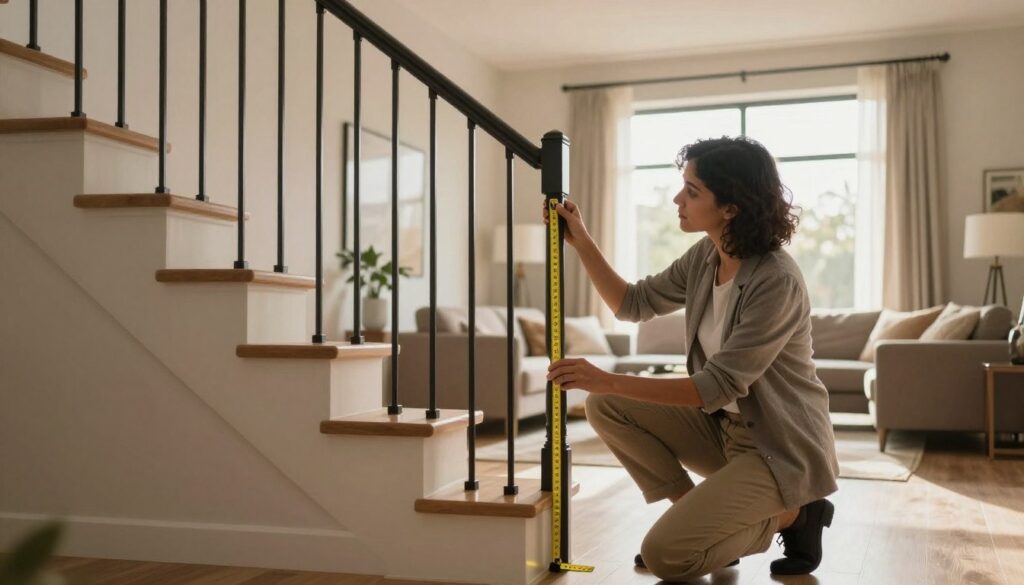
Evaluating Traffic Patterns and Usage
Every staircase in your home is different. A main staircase in a busy foyer needs stronger materials than a rarely used attic or basement staircase. Knowing how often you use each staircase helps you choose wisely.
Busy areas need materials that can handle scratches, dents, and constant use. For these spots, heavy-duty metals or hardwoods are best. Less busy areas can have more decorative options that focus on looks over strength.
| Traffic Level | Usage Frequency | Recommended Material | Durability Focus |
| High | Daily/Multiple times | Steel or Wrought Iron | Impact Resistance |
| Medium | Weekly | Hardwood | Surface Finish |
| Low | Monthly/Rarely | Glass or Decorative Wood | Aesthetic Appeal |
Prioritizing Safety for Children and Seniors
Safety is key when designing a staircase, more so in homes with kids or seniors. A graspable handrail is vital for stability and preventing falls. The rail’s height and shape should allow for a firm grip by all ages.
Also, check the space between balusters or vertical supports. Following safety standards keeps kids safe from gaps and seniors supported during transitions. Adding continuous railings beyond the steps can help seniors too.
By carefully assessing these needs, you protect your loved ones and increase your home’s value. Focusing on these needs first lays a solid foundation for both style and safety.
Exploring Popular Stair Railing Ideas and Styles
Looking at different design styles helps you match your home’s look with beauty. When searching for the best stair railing ideas, think about how the materials affect your room’s layout.
Modern Stair Railing Trends for Minimalist Homes
Minimalist homes love simplicity and no clutter. A modern stair railing has clean lines that fit well with the room’s design.
Designers often use hidden hardware for a smooth look. This makes the staircase a subtle part of the room, not a big distraction.
Contemporary Stair Railing Designs for Open Floor Plans
In open floor plans, keeping things open is key. A contemporary stair railing made of glass or thin cables works great here.
These materials let light move freely, making your home feel bigger and more connected. Transparency is key, as it keeps the staircase from blocking views.
Classic and Traditional Aesthetic Options
For a timeless look, traditional designs are unbeatable. Ornate woodwork or detailed wrought iron adds history and skill to your home.
These styles make a statement, bringing a sense of stability to the space. Whether you pick dark woods or metal, these classic stair railing ideas add a lasting elegance.
Choosing the Right Materials for Your Environment
Your choice of railing material affects both the look and life of your staircase. It’s important to consider your home’s climate, how much traffic it gets, and your design goals. Choosing durable materials that also look good ensures your staircase lasts for a long time.
Benefits of Metal Stair Railing Systems
A metal stair railing is great for busy areas. It looks sleek and modern and can handle a lot of wear without damage.
- High resistance to impact and daily wear.
- Minimal maintenance requirements compared to organic materials.
- Versatile finishes, including powder-coated steel or brushed aluminum.
“The beauty of metal lies in its precision; it provides a clean, architectural line that defines the space while providing superior safety.”
Warmth and Versatility of Wooden Stair Railing
For a cozy feel, choose a wooden stair railing. Wood adds a natural touch that metal can’t match. It’s also very flexible, allowing for detailed designs or simple looks that fit your home.
Customization is the primary advantage of wood. You can stain or paint it to match your floors and furniture. This makes it a classic choice for those who want a warm, welcoming look.
Selecting Materials for Outdoor Stair Railing
Outdoor stair railings need to handle weather well. They must resist moisture, temperature changes, and UV rays without breaking down.
Choosing the right material prevents problems like rust or rot. Here’s a comparison to help you decide for outdoor spaces:
| Material | Durability | Maintenance |
| Stainless Steel | Excellent | Low |
| Pressure-Treated Wood | Moderate | High |
| Composite | High | Very Low |
Always choose materials made for outdoor use. High-quality, weather-resistant options save you money and time on repairs.
Balancing Aesthetics with Building Codes
Your dream staircase might be bold, but local building codes are key. You can have a high-end look without giving up safety or following the law. By including these rules early, you avoid problems during inspections and keep your home safe.
Understanding Height and Spacing Regulations
In the U.S., building codes set rules to prevent accidents. These rules help keep everyone safe, from kids to seniors, by reducing gaps and making sure handrails are sturdy.
When designing your railing, remember these critical safety standards:
- Handrail Height: Handrails should be between 34 and 38 inches above the stair nosing.
- Baluster Spacing: Balusters must be close enough that a 4-inch sphere can’t fit through.
- Consistency: The height of the handrail should be the same everywhere to avoid tripping.
Ensuring Structural Integrity and Load-Bearing Capacity
A beautiful railing must also be strong. Building codes ensure your staircase can handle a lot of weight, keeping it stable every day.
Structural integrity is essential for safety. Your railing must hold 200 pounds in any direction at any point on the top rail.
To meet these strict standards, focus on these installation tips:
- Choose high-quality mounting hardware for your wall or floor.
- Make sure posts are anchored into the house’s frame, not just the floor.
- Check connections often to catch any looseness from settling or heavy use.
Following these professional guidelines protects your investment. By combining structural reliability with your design, you get a staircase that looks great and meets the law.
Planning for DIY Installation vs. Professional Help
Choosing between doing it yourself and hiring a pro will affect your budget and safety. It’s important to know if you can handle the job. This depends on your skills and your home’s design.
Assessing Your Skill Level for DIY Stair Railing
Installing a stair railing needs more than basic carpentry. You need high-level precision for measuring and spacing. A small mistake can ruin the whole thing.
Make sure you’re okay with using power tools like miter saws and drills. If you’re not good with structural fasteners or complex shapes, DIY might be too hard.
When to Hire a Licensed Contractor
Some projects need a pro to follow local building codes. If your staircase has curves, glass panels, or heavy iron, you should get help. This ensures safety.
Benefits of Professional Installation
Getting a contractor means your railing will meet all legal standards. They offer many benefits:
- Structural Integrity: Experts make sure everything is securely anchored for weight.
- Efficiency: Pros work faster, so you won’t be stuck waiting.
- Warranty Coverage: Many contractors offer guarantees, protecting your money.
Common Pitfalls in Self-Installation
Doing a diy stair railing without help can lead to big problems. Common mistakes include:
- Code Violations: Wrong baluster spacing or handrail height can cause failed inspections.
- Structural Instability: Not hitting wall studs or using wrong hardware can make the railing unstable.
- Aesthetic Flaws: Bad cuts or uneven alignment can lower your home’s value.
Think carefully about these risks and your skills. This will help you decide the best way to do your staircase project.
Budgeting for Your Staircase Project
Before picking your favorite staircase railing designs, you need a solid budget. A good financial plan helps avoid stress and keeps your project affordable. By planning every detail early, you can get a top-notch result without spending too much.
Cost Factors for Materials and Labor
The cost of your project depends a lot on the materials you pick. High-end metals and hardwoods cost more than standard ones. Also, the complexity of the installation affects the price, as detailed patterns need more time and skill.
Labor costs are a big part of the total cost. Experts charge based on the job’s size and your home’s needs. Keep in mind that custom labor is pricier than pre-fabricated kits.
Hidden Expenses in Custom Staircase Railing Designs
Many people overlook unexpected costs during renovations. For example, you might need additional reinforcements to meet safety codes. These upgrades are vital but can increase your budget.
Custom fabrication fees are another hidden cost. If your space needs special measurements, you’ll pay more for custom parts. Always save 10% to 15% of your budget for unexpected expenses.
Maintenance Considerations for Long-Term Durability
Keeping your investment safe means regular maintenance. A little time each day can keep your interior stair railing looking great. This way, small problems don’t turn into big, expensive fixes later.
Upkeep for Interior Stair Railing
Wood needs gentle cleaning to keep its shine. Use a soft, damp cloth to wipe away dust. Avoid harsh chemicals that can damage the finish. For metal parts, a quick clean with a microfiber cloth stops oils and fingerprints.
Check your interior stair railing often for loose parts or wobbles. Tighten screws or bolts right away to keep it safe. If wood handrails get scratched, a simple touch-up kit can fix them.
Weatherproofing Strategies for Exterior Installations
Outdoor railings face weather all the time, leading to rust or rot. Use a good sealant on wood to keep moisture and UV rays out. Metal railings should have a powder-coated or galvanized finish to fight corrosion.
It’s key to check outdoor railings often for damage. Look for peeling paint or rust, mainly around joints and bases. Fixing these spots early with sealant or paint can make your railing last longer.
- Monthly: Dust and wipe down all surfaces to prevent grime buildup.
- Quarterly: Check all fasteners and tighten any loose connections.
- Annually: Inspect for signs of wear, rust, or wood degradation.
- As Needed: Apply protective sealants or touch-up paint to exposed areas.
Conclusion
Choosing the right staircase features is a mix of vision and technical know-how. You now know how to pick materials, check safety, and match designs to your lifestyle.
A well-thought-out staircase can make your home look better and last longer. Use top-notch parts from companies like L.J. Smith Stair Systems or Viewrail for lasting quality.
When hiring pros, make sure to talk clearly about your plans. Make sure all your design choices follow local building rules. This keeps your home safe and your investment secure.
Before starting, think about your budget and upkeep plan. A careful approach will lead to a stunning staircase that will serve your family for years.
Feel free to share your favorite design ideas or ask about specific materials in the comments. Your input helps others make smart choices for their own home makeovers.
FAQ
What are the most popular stair railing ideas for a modern home renovation?
Modern homes often choose clean lines and clear views. Homeowners like using tempered glass or stainless steel for their railings. This lets them see through without any blocks.
Brands like Viewrail offer sleek designs that fit well with modern homes. These designs work great in open spaces.
How do I ensure my staircase railing designs meet local building codes?
Building codes usually follow the International Residential Code (IRC). This code says handrails should be 34 to 38 inches tall. Also, balusters must be close enough to prevent a 4-inch sphere from passing through.Always check with a pro or your local building department. This ensures your railing is safe and legal.
What are the primary benefits of choosing a metal stair railing over wood?
Metal railings are stronger and thinner than wood. They last longer and need less upkeep. Brands like The Wagner Companies make durable metal railings.Wood railings offer warmth and beauty. But metal is better for a modern look.
Is it safe to attempt a diy stair railing installation?
DIY stair railings are doable for skilled DIYers. Kits from StairPRO can help. But, railings are important for safety.If you’re using glass or dealing with complex angles, get a pro. This avoids safety issues and code problems.
Which materials are best suited for an outdoor stair railing?
For outdoors, look for materials that resist moisture and UV rays. Powder-coated aluminum and composite materials from Trex or Deckorators are good choices. They won’t rot or warp like wood.These materials save money in the long run because they don’t need frequent upkeep.
For more inspiration and ideas, visit: Hoome Estate
