
Adding natural timber surfaces to your home is a big step. It increases your home’s value for years to come. Knowing the hardwood flooring installation cost is key for homeowners in the United States. Planning your budget early helps avoid surprises and keeps your project on schedule.
Getting quotes can be tough. But, understanding the average cost of hardwood floor installation makes it easier. Accurate budgeting lets you choose quality materials without breaking the bank. This guide helps you manage your project well and get the beautiful floors you want.
Understanding the Factors Influencing Hardwood Flooring Installation Cost
When planning your home renovation, the hardwood flooring installation pricing depends on the wood’s quality and origin. Several factors affect the cost, from the wood’s rarity to the manufacturing process. Knowing these can help you manage your budget better.
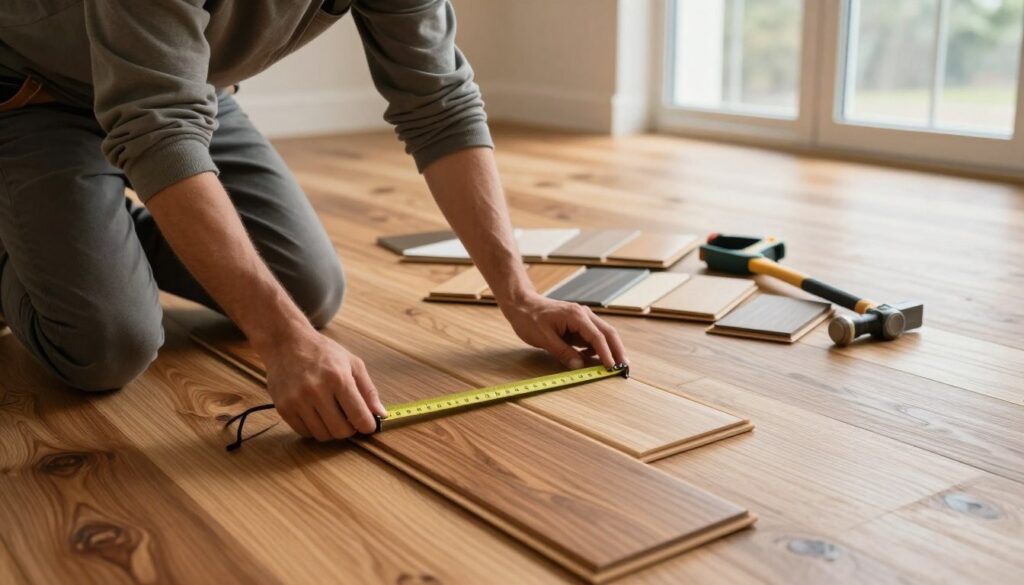
Material Selection and Species Impact
The type of wood you choose is key to your hardwood flooring installation cost. Domestic woods like Red Oak and Maple are cheaper because they’re common and have lower shipping costs. Exotic woods, like Brazilian Cherry or Teak, cost more.
Exotic woods are loved for their unique looks, hardness, and colors. But, their rarity and import costs make them pricier. Think about these points when picking your wood:
- Janka Hardness Rating: Higher ratings mean wood lasts longer but costs more.
- Wood Grade: Clear-grade wood, without knots or flaws, is pricier than rustic or character-grade.
- Sourcing: Wood from local sources saves on shipping costs compared to exotic imports.
Solid Versus Engineered Hardwood Pricing
Deciding between solid and engineered planks affects your hardwood flooring installation pricing. Solid hardwood is a single piece of wood, perfect for timeless looks and refinishing. It’s more expensive because it uses more wood.
Engineered hardwood has a thin wood veneer on a plywood or fiberboard core. It’s better at handling humidity, making it great for modern homes. Here’s how they compare:
| Feature | Solid Hardwood | Engineered Hardwood |
| Composition | Single solid piece | Multi-layer core |
| Moisture Resistance | Low | High |
| Refinishing Ability | High | Limited |
| Average Cost | Premium | Moderate |
Your hardwood flooring installation cost will show the mix of looks and function you want. Spending on quality materials can mean your floors last longer and add value to your home.
Calculating Your Hardwood Flooring Installation Cost
Getting accurate measurements is the first step for a good hardwood floor installation estimate. Before starting, measure every room where you’ll put new flooring. This ensures you buy the right amount, avoiding delays and extra costs.
Measuring Square Footage Accurately
To find the total area, multiply the room’s length by its width in feet. For rooms with odd shapes or hallways, break them into smaller rectangles. Then, add up the areas of each rectangle. This way, you get the most accurate hardwood flooring cost per square foot for your space.
Always double-check your measurements to avoid mistakes. Precision is key when working with quality materials. A small error can cause big problems during installation.
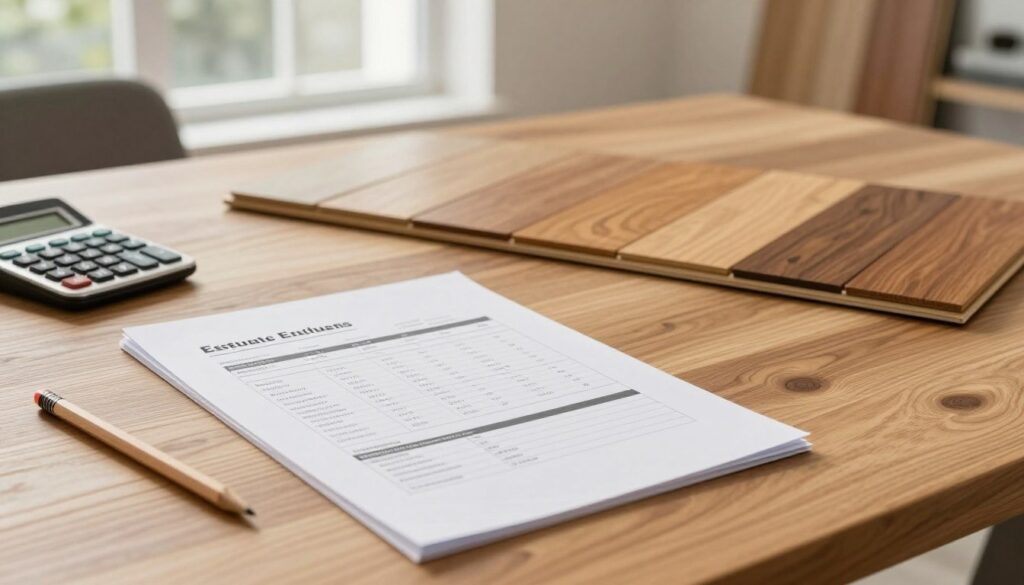
Accounting for Waste and Overages
Even with perfect measurements, you need to plan for waste and damaged boards. Experts suggest adding a buffer to your total square footage. This extra material is vital for cuts, damage, and mistakes, affecting the average cost of hardwood floor installation.
Not planning for waste can lead to needing more wood later. This might cause color differences between batches. By planning for overages, you avoid mid-installation problems.
Standard Waste Percentages for Different Layouts
The extra material needed depends on your floor pattern’s complexity. Use a hardwood floor installation cost calculator for estimates. But, here are some general guidelines:
- Standard Plank Layout: Add 5% to 7% for simple, straight-run installations.
- Diagonal or Patterned Layouts: Add 10% to 15% for more complex cuts and angles.
- Rooms with Many Obstacles: Add 10% for extra trimming around vents, pillars, and doorways.
Breakdown of Hardwood Floor Installation Labor Cost
Many homeowners don’t think about how local prices and installation styles affect their hardwood floor installation labor cost. When planning your home project, remember that labor is a big part of your hardwood floor installation estimate. Knowing this helps you budget better before starting.
Regional Labor Rate Variations in the United States
Flooring professionals charge different rates based on where you live in the U.S. Places with higher living costs or fewer skilled workers usually charge more. But, in areas with lots of contractors, prices might be lower.
Several things affect these rates, including:
- Local demand for home renovation services.
- Availability of specialized flooring installers.
- State-specific licensing and insurance requirements.
- Travel distance for the installation crew.
Complexity of the Installation Method
The type of installation you choose affects the installer’s time and skill needed. Simple designs cost less, but complex ones like herringbone or chevron need more time and precision. Here’s how different methods impact labor time.
| Installation Method | Skill Level | Relative Labor Time |
| Floating | Moderate | Low |
| Nail-Down | High | Medium |
| Glue-Down | Very High | High |
Nail-Down Versus Glue-Down Versus Floating Floors
The nail-down method is traditional and requires a lot of effort to attach planks to a wooden subfloor. It’s reliable but needs careful tool handling to avoid wood damage.
Glue-down installations are needed for concrete subfloors and require careful preparation for a strong bond. This method is more labor-intensive because of the adhesive application and drying times. On the other hand, floating floors are the quickest to install, without nails or glue, which can save costs.
Preparing the Subfloor for Installation
The foundation of a beautiful floor starts before the first plank is laid. Many homeowners focus on the look of the wood. But, the base layer’s strength is key to the floor’s life. Skipping this step can lead to higher hardwood floor installation labor cost later, as contractors fix problems during the project.
Removing Existing Flooring Materials
Before starting, all old flooring must go. This isn’t just about pulling up carpet or removing tiles.
- Removing all staples, nails, and tack strips from the subfloor.
- Scraping away residual adhesive or thin-set mortar to ensure a smooth surface.
- Inspecting the subfloor for signs of rot, water damage, or structural weakness.
A clean, debris-free surface is essential for a successful installation. Any leftover material can cause the new floor to sit unevenly.
Subfloor Leveling and Moisture Testing
After exposing the subfloor, it needs to be checked for flatness and moisture. Hardwood reacts to its environment, making these checks vital.
Contractors use a long straightedge to find dips or humps in the floor. If it’s not level, they might use self-leveling compounds or sand down high spots.
Moisture testing is also key to prevent future damage. They use a professional-grade moisture meter to check if the subfloor is dry enough.
Why Proper Preparation Prevents Future Costs
Spending time on these steps is a smart financial move. A properly leveled and dried subfloor reduces the risk of squeaking, cupping, or warping.
These problems are not just annoying; they can cost a lot to fix. By making sure the foundation is solid, you protect your investment and keep your floors beautiful for years.
Additional Expenses to Include in Your Budget
Many homeowners only look at the cost of planks when budgeting for hardwood floors. But, the hardwood flooring cost per square foot includes many hidden costs. It’s important to check your quote to make sure you’re not missing anything.
Underlayment and Vapor Barrier Requirements
Getting a good underlayment is critical for your floor’s life. It helps with sound and keeps your floor warm. If you’re putting it on concrete, you also need a vapor barrier to stop moisture damage.
Transition Pieces and Molding Costs
Finishing touches are key. You’ll need transition strips where your new floor meets other surfaces. And, you’ll need baseboards or shoe molding to cover the gap around the room.
Furniture Moving and Disposal Fees
Getting your furniture moved can add to the cost. Contractors might charge extra for moving heavy items. Also, remember to budget for getting rid of your old flooring, which can be a lot of work.
| Expense Category | Typical Impact | Importance |
| Underlayment | Low to Moderate | High |
| Transition Strips | Low | Medium |
| Disposal Fees | Moderate | High |
Step-by-Step Installation Process Overview
Knowing how a professional project works helps you understand your hardwood floor installation cost calculator estimate. A great finish isn’t just about the materials. It’s also about the careful preparation and skill of the installers.
Acclimation of Hardwood Planks
Wood planks need to acclimate before installation. This step lets the wood adjust to your home’s humidity and temperature. Without it, the wood might expand or contract, causing gaps or buckling.
Installers usually let the wood sit for a few days. This critical stabilization phase helps avoid future problems and keeps your investment safe.
Layout Planning and Starting Rows
Good layout planning is key for a beautiful floor. Installers measure the room to find the best starting point. They often choose the longest wall for a straight line.
They also plan the pattern to avoid awkward wood pieces at the room’s edges. By carefully balancing the layout, they make sure the floor looks symmetrical and intentional.
Securing Planks and Finishing touches
After planning, the team secures the planks to the subfloor. They use nails, staples, or adhesives for maximum stability and longevity.
The final steps include adding transition pieces and molding. This hides expansion gaps. Using a hardwood floor installation cost calculator helps you plan for these finishing touches, keeping your project on track.
Tips for Finding Affordable Hardwood Floor Installation
Many homeowners worry about costs. But, finding an affordable hardwood floor installation is possible with the right steps. By planning well, you can keep your budget in check without losing quality.
Comparing Quotes from Licensed Contractors
To get the best hardwood floor installation prices, get quotes from at least three licensed contractors. Don’t just pick the cheapest option. Look at the work scope, material quality, and timeline in each quote.
- Make sure each contractor is licensed and insured in your state.
- Ask for references to check their reliability.
- Make sure the quote includes all costs, like waste removal and subfloor prep.
Timing Your Project for Off-Season Savings
Timing affects your project cost. Late fall or winter is a slow time for contractors. This is when you can get better rates.
When it’s slow, contractors might offer lower prices to keep their teams busy. Planning your project then can save you a lot of money.
Evaluating DIY Versus Professional Installation
Choosing between DIY and a professional installer depends on your skills and time. While DIY might seem cheaper, it can lead to costly mistakes.
Professionals have the tools and experience to do the job right the first time. If you’re not experienced with complex layouts or subfloor leveling, hiring a pro is usually the better choice.
Conclusion
Changing your living space with new hardwood floors needs careful planning and knowing your budget. You now know how to check the quality of materials and the work needed for your project.
Getting the best prices for hardwood floor installation starts with getting quotes from trusted local contractors. By comparing these quotes, you can find a balance between your budget and the quality of work.
Choosing durable materials is key to making your investment last. High-quality wood not only looks great but also adds value to your home.
It’s possible to find affordable hardwood floor installation without giving up quality. Smart homeowners look for long-term value by choosing reliable professionals who stand behind their work.
Now, it’s time to schedule meetings with flooring experts in your area. With confidence and preparation, your dream home is closer than you think.
FAQ
What is the average hardwood flooring cost per square foot for professional installation?
The cost of hardwood flooring per square foot is between $6 and $15. This price includes materials from brands like Bruce or Mohawk and the labor needed for a smooth finish. To get a precise budget, ask for a detailed estimate that includes material grades and labor rates in your area.
How can I find the best hardwood floor installation prices in my area?
To find the best prices, get quotes from at least three licensed contractors. Installing during the off-season, like late winter or early spring, can be cheaper. Also, buying materials during sales at stores like LL Flooring or The Home Depot can help save money.
What factors typically increase the hardwood floor installation labor cost?
The labor cost depends on the installation method and your home’s condition. For example, nail-down installation on plywood is more work than a floating floor. Complex patterns or working around built-in cabinetry also increase the cost.
Why is it necessary to use a hardwood floor installation cost calculator before purchasing materials?
A cost calculator is key for planning. It helps account for waste, adding 5% to 15% to your total square footage. This way, you avoid running out of planks during installation.
What “hidden” expenses should I include in my hardwood flooring installation cost budget?
Your budget should include subfloor prep, moisture barriers, and transition strips. If removing old flooring is needed, this will add to the cost. Also, remember to budget for acclimation time for high-quality wood, which can affect your timeline and costs.
