
Planning major upgrades to your home can be stressful. Knowing the cost of a new roof is essential for long-term success. It helps you avoid unexpected expenses during construction.
The U.S. housing market has many factors that affect your budget. You need to consider material quality, labor costs, and local fees. Taking the time to research these aspects helps you stay in control of your finances.
This guide gives you the knowledge to confidently navigate the industry. By following these steps, you can accurately figure out your roof replacement cost. Understanding these details lets you move forward with your project without worrying about surprises.
Understanding the Average Cost of Roof Replacement
When it comes to home improvement, knowing the cost of roofing is key. The average cost of roof replacement varies a lot. This is because many things can change the price, like where you live.
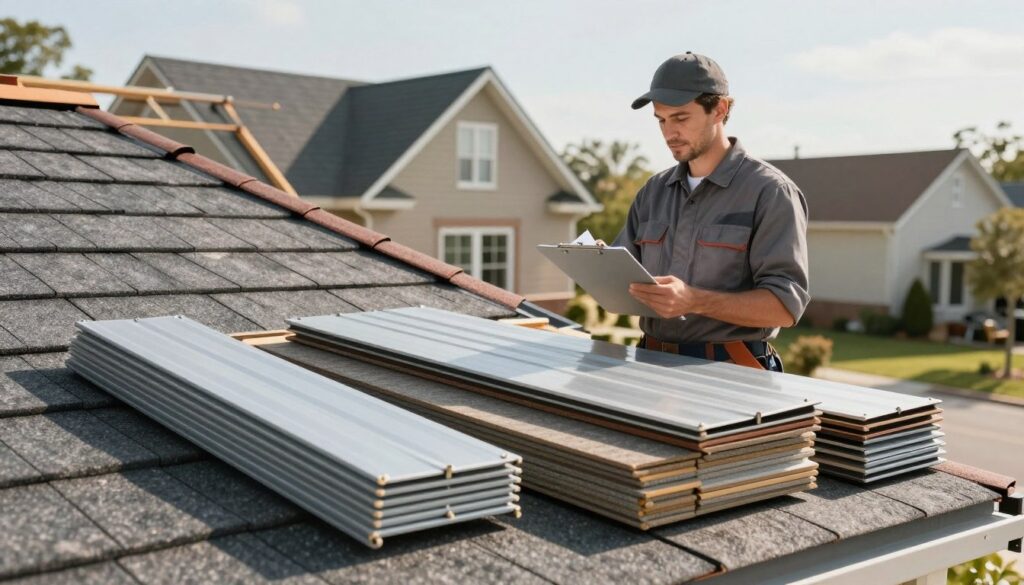
National Pricing Trends in the United States
In the U.S., roofing prices change over time. This is because of changes in supply and demand. Most homes fall into a certain price range, but high-end materials can increase costs.
Market volatility affects how much contractors charge. When material costs go up, so do prices for homeowners. The size of your home and the materials used also play a big role.
Why Estimates Vary by Region
Where you live greatly affects roofing costs. In cities, prices are often higher because of more expensive labor and strict rules. But in rural areas, labor might be cheaper, but material transport costs can add up.
Local job market conditions also impact prices. In places where skilled roofers are scarce, you might pay more. The distance to your home also affects the roof replacement cost.
Every area has its own pricing due to local factors. Getting quotes from different contractors is a good idea. This way, you can understand how local conditions affect your costs. By researching your area, you can get ready for the costs involved.
Key Factors Affecting Roof Replacement Cost
Several hidden factors affecting roof replacement cost can change your budget a lot. Material choice is big, but your home’s shape also plays a big role. Knowing these helps you get ready for the cost of a new roof.
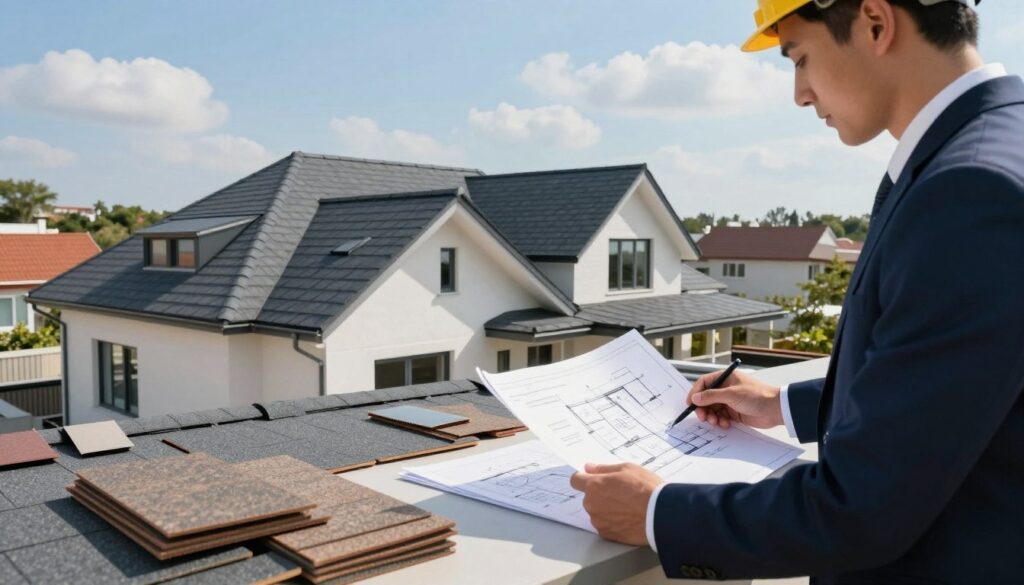
Roof Pitch and Complexity
The roof’s slope, or pitch, affects how hard it is to work on. Steeper roofs need special safety gear and take longer to put on, raising the roof replacement cost. Designs with many angles, like turrets, need more careful work.
Workers need more time for these tricky parts. A simple roof is quicker and cheaper than a complex one.
Accessibility and Site Conditions
How easy it is for workers to get to your home matters a lot. If your place is hard to get to, like needing a crane, costs go up. Things like tight spaces or power lines can slow things down a lot.
“The physical environment surrounding a home is just as important as the roof itself when calculating the logistics of a safe and efficient installation.”
Existing Damage and Structural Repairs
Problems hidden under old shingles can show up when they’re removed. If the wood under the roof is rotten or the rafters are damaged, these need fixing first. These factors affecting roof replacement cost are hard to see at first.
It’s smart to have extra money for these surprises. Fixing the structure makes sure your new roof lasts and keeps your home dry.
| Roof Feature | Complexity Level | Impact on Price |
| Low Slope | Low | Minimal |
| Standard Gable | Moderate | Average |
| High Pitch/Complex | High | Significant |
| Hidden Rot/Damage | Variable | High |
Knowing these things helps you guess the average cost of roof replacement for your home. Being ready for surprises is key to managing your roof replacement cost well.
Measuring Your Roof Area for Accurate Estimates
Getting precise measurements is key to a successful roofing project. When you calculate your roof dimensions correctly, you can better manage estimating roof replacement expenses. This helps avoid the mistake of ordering too much or too little material, which can mess up your budget.
Calculating Square Footage
To start, figure out your roof’s total surface area. For simple gable roofs, multiply the roof’s length by the width of each slope. Remember to measure the house’s footprint and consider the roof’s slope to get the exact area.
Determining the Number of Squares
In roofing, professionals use a unit called a “roofing square.” One square equals 100 square feet of roof. Divide your total square footage by 100 to find out how many squares of shingles you need.
Accounting for Waste and Overhangs
Every roofing project needs to account for waste. Add a waste factor of 10% to 15% to your total square count for cuts, starter strips, and ridge caps. Also, remember to include roof overhangs, or eaves, in your initial measurements. These areas need a lot of material.
Ignoring these extra sections can cause project delays. By including them early, you improve your accuracy when estimating roof replacement expenses. This ensures the job goes smoothly without any hiccups.
Tools Needed for Precise Measurements
You don’t need fancy equipment to start, but the right tools make the job safer and more accurate. A long, high-quality tape measure is key for ground-level measurements. For tech-savvy folks, laser distance measurers offer quick and precise roof slope readings.
- Heavy-duty tape measure: Ideal for measuring ground-level dimensions.
- Laser distance tool: Best for calculating height and slope without climbing.
- Safety harness: Mandatory if you must access the roof surface directly.
- Notepad and pencil: Necessary for sketching the roof layout and recording dimensions.
Selecting Materials and Their Impact on Pricing
Your choice of roofing material affects your home’s look and your wallet. It’s key to know how different materials impact your budget. Homeowners often look for affordable roof replacement options but quality is also important.
Asphalt Shingles: The Affordable Standard
Asphalt shingles are the top choice in the U.S. for their exceptional value. They protect well and are easy on the wallet. Many styles are available, making them a budget-friendly option.
Metal Roofing: Durability and Long-term Value
Metal roofs cost more upfront than shingles. But, they last longer, making them a wise choice over time. They also resist fire, wind, and snow, saving on repairs.
“The bitterness of poor quality remains long after the sweetness of low price is forgotten.”
Benjamin Franklin
Premium Options: Slate and Cedar Shakes
Slate and cedar shakes are for those who value beauty and durability. They need special installation, raising labor costs. They look great but need regular care to stay in top shape.
| Material Type | Average Lifespan | Cost Level |
| Asphalt Shingles | 15-30 Years | Low |
| Metal Roofing | 40-70 Years | Medium-High |
| Slate/Cedar | 50+ Years | High |
Cost-effective Roof Replacement Solutions
To find the best cost-effective roof replacement solutions, think about your area’s climate. Quality underlayment can make even the most affordable roof replacement options last longer. Always look at the total cost over time, not just the initial price.
Talking to a professional contractor can help you make the right choice for your budget. Choosing materials that fit your long-term goals means your home stays safe and sound. Smart planning makes these cost-effective roof replacement solutions a good investment for your home.
Estimating Roof Replacement Expenses Beyond Materials
Many homeowners focus on shingles, but estimating roof replacement expenses involves more. Materials are a big part, but not the only factors affecting roof replacement cost. You need to plan for professional services and logistics to do the job right and legally.
Labor Costs and Contractor Fees
Labor is a big part of your bill. Roofing crews have skills, insurance, and tools for the job. You’re paying for their expertise to ensure the roof is done right.
Contractor fees also cover business costs like insurance and licenses. High-quality contractors might cost more, but they offer better warranties and reliability. Make sure your quote includes these fees to avoid surprises.
Permits and Local Building Code Requirements
Most places need a building permit before starting roofing work. These permits check if the project meets safety and building codes. Permit costs vary by city and project value.
Not getting permits can lead to fines or issues when selling your home. Your contractor should handle permits, but you’ll pay the fees. Always confirm that your estimate includes these costs.
Disposal and Dumpster Rental Fees
Removing an old roof creates a lot of debris. You’ll need to budget for a dumpster and landfill fees. These costs depend on debris weight and rental time.
Roofers usually include these costs in their bid to keep the site clean. If your quote seems too good, check if it includes waste management. Proper disposal is key to the project.
| Expense Category | Typical Cost Range | Primary Driver |
| Labor & Overhead | $1,500 – $4,000 | Crew size and project duration |
| Permit Fees | $100 – $500 | Local municipal regulations |
| Dumpster Rental | $300 – $800 | Volume and weight of debris |
| Site Cleanup | $150 – $300 | Property size and accessibility |
Comparing Roof Replacement Quotes and Budgeting
Finding the best pricing for roof replacement needs a smart plan. Homeowners who compare quotes well can save a lot and get better results. By following a clear process, you protect your investment and meet your expectations.
How to Request Detailed Estimates
To get accurate bids, give each contractor the same info. When they visit, ask for a detailed cost breakdown in writing. This way, you can compare roof replacement quotes fairly, without worrying about hidden costs.
- Ask for a detailed list of materials, including brand names and specific products.
- Make sure the estimate includes start and end dates for the project.
- Check that the total includes labor, disposal fees, and permit costs.
Evaluating Contractor Proposals
Don’t just look at the price. Understand what you’re paying for. A cheaper bid might mean lower quality materials or no insurance. Always check for a full warranty on materials and work.
Look at the scope of work. Make sure they plan to replace flashing, underlayment, and drip edges. These are key for a durable roof. Quality workmanship is as important as materials, so choose reputable contractors.
Tips for Budgeting for Roof Replacement
Good budgeting for roof replacement means planning for expected and unexpected costs. Even with inspections, hidden damage can be found. Set aside 10% to 15% of the total cost for surprises.
Here are some budget tips:
- Check your home insurance for storm damage coverage.
- Look into financing options from trusted contractors for easier payments.
- Focus on high-quality materials for the most visible or critical roof areas.
Conclusion
A new roof is a big deal for your home’s safety and life. You need to know about the quality of materials, the work done, and local rules.
Smart homeowners plan carefully to get the best results. They budget well for the roof to keep their money safe. They choose top materials from places like GAF or Owens Corning.
Make sure to check the contractor’s credentials and look at each part of the quote. This way, you avoid surprises and stay on schedule.
Good budgeting for a new roof keeps you calm financially. It’s about value over time, not just the cheapest option. This way, your home’s value stays strong.
Begin planning by getting several quotes and thinking about what you need. A well-done roof gives you peace and a safe place for your family.
FAQ Calculate Roof Replacement
What is the current average cost of roof replacement in the United States?
The cost to replace a roof varies. For a typical house, it’s between $5,500 and $12,000. But, high-end materials or complex designs can increase this cost a lot. The price also depends on where you live, with cities like New York City being more expensive than rural areas.
How can I calculate the total square footage of my roof to ensure an accurate estimate?
To figure out the cost, you need to know your roof’s square footage. Measure each part of your roof, multiply them, and then divide by 100. Remember to add 10% to 15% for waste, like cuts and corners, to avoid running out of materials.
What are the most affordable roof replacement options for homeowners on a strict budget?
For a low budget, go for asphalt shingles, like 3-tab shingles from GAF or CertainTeed. They’re cheap upfront. But, architectural shingles might be a better deal in the long run because they last longer and handle wind better.
What are the primary factors affecting roof replacement cost beside material choice?
Cost is also affected by the roof’s pitch, how many stories it has, and its design. If there’s damage found during the tear-off, that adds to the cost. The location and the need for special safety gear also affect labor prices.
Why is it important to account for “soft costs” when budgeting for roof replacement?
Don’t just think about shingles and nails. “Soft costs” include permits, dumpster rental, and labor insurance. Not including these can surprise you with extra costs during the project.
