
Turning your outdoor area into a peaceful retreat is more than just adding plants. Many people in the UK find it hard to mix beauty with the need for weather-proofing. That’s where kdarchitects landscape ideas from morph come in, bringing elegance to your garden.
Using architectural skills, you can make your garden a functional and stylish extension of your home. It doesn’t matter if you have a small city garden or a big rural one. Good design keeps your garden looking great all year round.
Starting a garden makeover can seem daunting. But with the right help, you can do it with complete confidence and clarity. We’ll guide you through the key steps to create a beautiful, lasting outdoor space that fits your life and local weather.
Understanding the Morph Design Philosophy
Getting to know our design values is key to making your dream garden come true. We think a great outdoor space needs a mix of structural integrity and natural beauty. Our focus on clear lines and layouts gives you the landscaping inspiration to take your property to the next level.
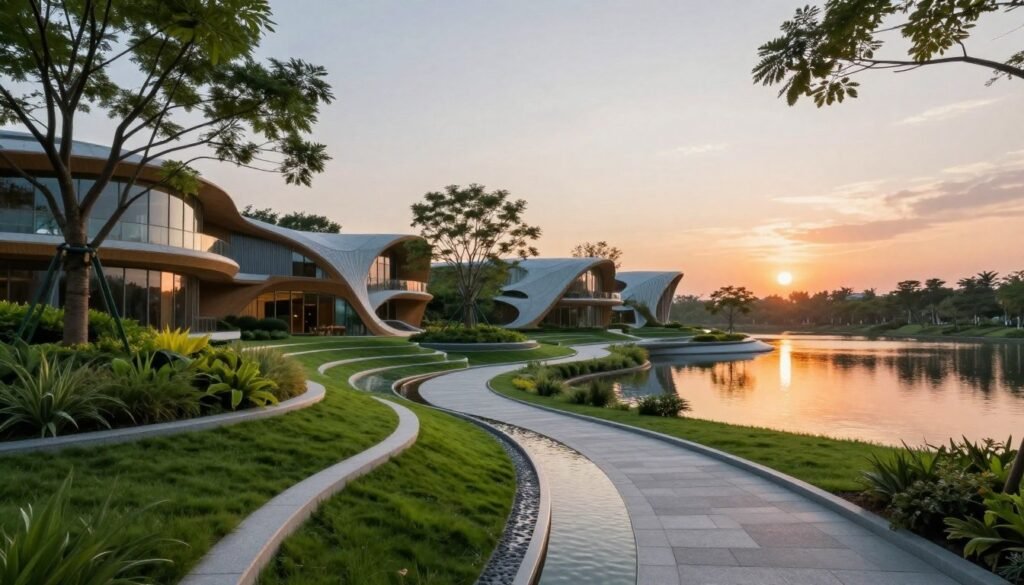
Core Principles of Architectural Landscaping
We see a garden as an extension of the home. We aim for spatial harmony, making sure every element has a role. This turns messy areas into calm, organised spaces through morph architectural landscaping.
Our design is based on proportion, rhythm, and material quality. We carefully mix these to make gardens that feel both big and cozy. This approach keeps your outdoor space visually striking all year round.
Why Morph Fits the British Garden Aesthetic
British gardens need a mix of old charm and new functionality. Our design respects local history but also brings in modern landscaping inspiration. We pick materials that look good even on grey days.
The morph architectural landscaping style works well in small British city spaces. We use smart zoning and vertical features to add depth. This makes your garden a functional sanctuary, perfect for the British lifestyle.
Assessing Your Outdoor Space for Transformation
Starting a garden project means understanding your outdoor space first. Before searching for landscaping inspiration, know your ground. This step is key for a garden that lasts.
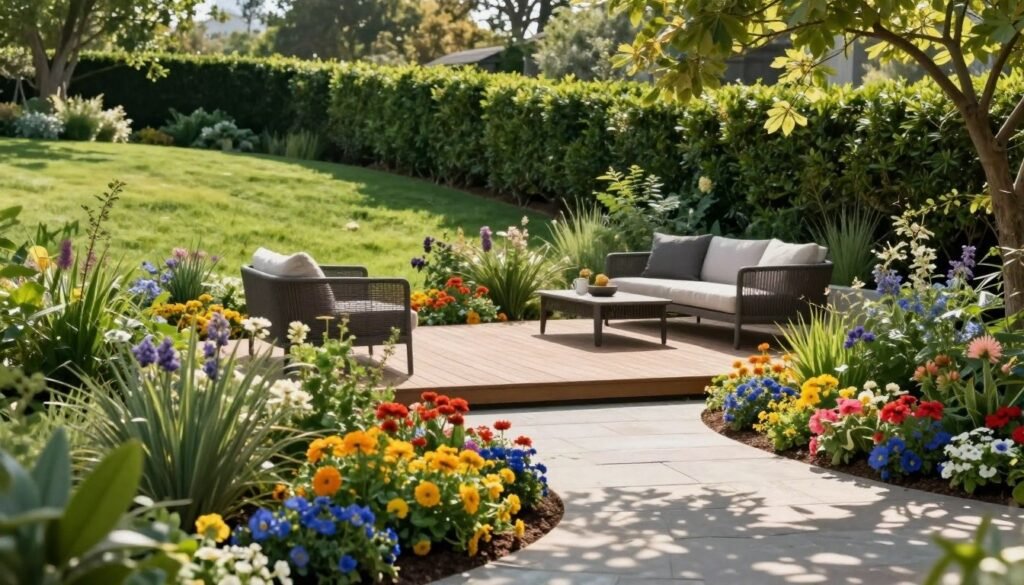
Evaluating Soil Quality and Drainage
Your plants’ health relies on the soil. In the UK, many gardens face challenges like heavy clay or sandy soil. Testing your soil pH and texture is a vital tip.
Watch how water acts after rain. If puddles last long, you need better drainage. Good drainage stops root rot and keeps your lawn green.
| Soil Type | Drainage Quality | Best Use |
| Clay | Poor | Hardy shrubs |
| Sandy | Excellent | Drought-tolerant plants |
| Loam | Balanced | Versatile planting |
Mapping Sunlight Patterns Throughout the Day
Sunlight powers your garden. Track the sun’s path from dawn to dusk. Some spots are perfect for sun, others for shade.
Use a notebook to sketch your garden and mark shadows. This helps place seating and plants right. Knowing your light levels avoids planting sun-lovers in shade.
Identifying Existing Structural Assets
Examine what’s already there before clearing. Old walls, trees, or paths add character and history. They bring maturity to your design.
Using these assets saves money and blends old with new. These tips help create a garden that feels both new and established.
Planning Your Layout with kdarchitects Landscape Ideas from Morph
Creating a well-thought-out layout is key to bringing your dream garden to life. By using kdarchitects landscape ideas from morph, you can turn a simple plot into a sophisticated part of your home. Proper preparation makes sure every square metre has a purpose and shows off your style.
Creating Functional Zones for Outdoor Living
Think about how you want to use your garden throughout the day. By dividing it into different zones, you can easily move between active socialising and quiet relaxation. For example, a sunny corner can be for dining, while a shaded area is perfect for reading.
“Design is not just what it looks like and feels like. Design is how it works.”
Steve Jobs
Balancing Hardscaping and Soft Planting
Getting a professional look needs a balance between hard structures and soft plants. Hardscaping, like stone patios or timber decking, gives your outdoor design concepts a framework. Soft plants add texture, colour, and life to these structures.
Here are some simple tips for a balanced look:
- Use hard materials for pathways and seating areas.
- Soften sharp edges with layered shrubs and perennial borders.
- Make sure your materials match your house’s architecture.
Drafting Your Initial Design Concept
Before you start digging, sketch out your ideas to see the final result. Drawing your outdoor design concepts helps spot flow or sunlight issues before work starts. This stage is where you refine your kdarchitects landscape ideas from morph to fit your lifestyle.
Try to create a layout that feels natural and welcoming. By planning your vision early, you set a clear path for a garden transformation that will last.
Selecting Materials for a Stylish UK Garden
Creating a stylish UK garden begins with choosing top-quality materials. These materials should last long and keep your garden looking good all year. By picking durable and sustainable options, you can make your garden look like a pro’s.
Choosing Sustainable and Weather-Resistant Stone
Natural stone is a favourite for British gardens because it withstands rain and frost well. Choosing local sandstone or granite is good for the planet and fits the local weather. Quality stone paving makes a strong base that looks better with age.
“The true beauty of a garden lies in the harmony between the materials chosen and the natural environment surrounding them.”
Incorporating Timber for Warmth and Texture
Timber adds a soft, natural touch that contrasts with stone. Always choose FSC-certified wood for sustainability. Cedar or larch are great for decking or garden features because they resist rot.
These materials make your garden more welcoming. You could use timber for:
- Raised planting beds for herbs and flowers.
- Custom-built seating benches near focal points.
- Decorative screening to provide privacy.
Utilising Modern Metal Accents
For a modern look, add metal elements to your garden. Corten steel is loved for its rusted look, which contrasts beautifully with green plants. Powder-coated aluminium is sleek and easy to keep clean.
Metal can turn a simple garden into a modern masterpiece. It’s great for minimalist planters or water features, adding a stylish finish.
Implementing Planting Schemes for Year-Round Interest
A vibrant garden changes with the seasons. By using morph architectural landscaping principles, your garden will be beautiful all year. It will be a joy from spring to winter.
Selecting Native Species for Biodiversity
Native plants are key to a strong, eco-friendly garden. They fit the British climate well. This means they need less care and help local wildlife and pollinators.
Native plants make a garden ecosystem that works well on its own. Here’s why:
- Increased resilience against pests and weather.
- Support for essential biodiversity, like bees and birds.
- They use less water than non-native plants.
Layering Foliage for Architectural Depth
For a professional look, think about your plants’ structure. Place tall, evergreen shrubs at the back. Then, add smaller perennials for colour up front.
This method adds architectural depth to your garden. It makes the space interesting all year, even when flowers are gone. Mixing different leaves and greens keeps the garden lush.
Maintenance Tips for Long-Term Garden Health
Regular care keeps your garden looking great. Pruning helps plants stay healthy and look right.
Here’s how to keep your garden in top shape:
- Mulching: Use organic matter in spring to keep moisture in and weeds out.
- Seasonal Pruning: Cut off dead or damaged branches to help plants grow strong.
- Monitoring: Watch how wet or dry the soil is, more so in summer.
By doing these tasks, you protect your garden. It will stay beautiful and healthy for many years.
Integrating Lighting and Outdoor Living Solutions
Your garden should be a place where you want to stay long after dark. By adding the right touches, you can make it a versatile retreat. The right outdoor living solutions keep your space welcoming all year round.
Strategic Placement of Ambient Lighting
Lighting turns a garden into a night-time haven. Instead of harsh lights, use soft, warm lighting to create a cozy feel. Soft, low-level lighting on paths and near seats adds safety and charm.
- Warm-toned LED spotlights highlight plants.
- Motion-sensor lights near doors add security.
- String lights above dining areas make it intimate.
Designing Comfortable Seating and Dining Areas
Good furniture is key to enjoying your garden. Choose durable materials for the British weather. Make sure there’s room to move around your dining table.
“A well-designed outdoor space should feel as comfortable and inviting as your living room, bridging the gap between nature and home.”
Modular furniture is great for changing your layout. It’s perfect for barbecues or quiet mornings. These outdoor living solutions offer the flexibility you need.
Adding Water Features for Tranquillity
The sound of running water can block out outside noise, creating a peaceful spot. Choose from modern fountains to simple ponds. The movement of water also attracts wildlife, boosting your garden’s biodiversity.
Place your water feature near seats for the best effect. A well-placed feature becomes a focal point, adding to your relaxation.
Refining Your Exterior Space Enhancements
Turning your outdoor area into a special retreat needs careful finishing touches. These last steps are key garden transformation tips that make your garden unique. By paying attention to the details, every part of your garden will feel welcoming and well-thought-out.
Adding Personal Touches and Decorative Elements
Your garden should show off your personality and lifestyle. Think about adding artistic sculptures, weather-resistant mirrors, or unique planters that reflect your style. These items add character and charm to your garden.
Remember, simplicity is key when using these garden tips. Pick a few high-quality items instead of many. This keeps your garden looking clean and stylish while showing off your personal taste.
Ensuring Seamless Transitions Between Indoor and Outdoor Areas
It’s important to link your home and garden smoothly for modern living. Use the same flooring from your kitchen or living room to your patio. This visual continuity makes the two spaces seem like one big area.
Using large bi-fold or sliding glass doors is another great idea. When open, these doors blend the indoor and outdoor spaces. This simple change makes your home feel bigger and more connected to nature.
Final Adjustments for Visual Balance
The last step is to step back and check if everything looks balanced. Make sure your plants and hardscaping are spread out evenly. If one side looks too heavy, add a feature or a tall plant to the other side.
Also, make sure your furniture and accessories fit the space well. Small adjustments, like moving a pot or trimming a shrub, can greatly improve the feel of your garden. By focusing on these details, you’ll create a peaceful and beautiful outdoor space.
Conclusion
Creating a beautiful garden is all about mixing creativity with careful planning. Using professional design tips can turn a simple area into a personal haven. This ensures your home stays a place of comfort and style.
You now have the tools to manage your own garden project confidently. These enhancements add lasting value to your property. Every choice shows off your unique taste and enhances your connection with nature.
Think about how these outdoor solutions change your daily life. A well-designed garden encourages you to enjoy fresh air more. It’s perfect for relaxing or hosting friends on a sunny day.
Begin your garden journey by reviewing your layout and picking materials that fit your lifestyle. Even small changes can make a big difference in your landscape. We can’t wait to see your dream garden come to life with these expert tips.
You may also read Hoome Estate
