
When comparing door jamb vs door frame, many homeowners assume these terms refer to the same part of a doorway. In reality, they serve different purposes within a door system and understanding the distinction is important for home improvement projects, renovations, repairs, and new construction. Whether you are replacing an interior door, upgrading an exterior entryway, or planning a remodeling project, knowing how each component functions can help you make better decisions.
The confusion surrounding door jamb vs door frame often arises because the door jamb is one part of the larger door frame assembly. Contractors, builders, and suppliers may use the terms interchangeably during casual conversations, but they have specific meanings in the construction industry. Understanding these definitions can prevent costly mistakes when ordering materials or discussing installation requirements.
This guide explains the differences between door jambs and door frames, their roles in residential construction, installation considerations, maintenance requirements, and how they affect home value, energy efficiency, and overall performance. By the end, you will have a clear understanding of which component may need repair, replacement, or upgrading in your home.
Understanding What a Door Frame Is
A door frame is the complete structural framework that supports and surrounds a door. It creates the opening where the door is installed and serves as the foundation for the entire door assembly. Without a properly constructed door frame, a door cannot operate correctly or provide adequate security, insulation, and durability.
In residential construction, the door frame includes multiple components working together. These parts typically consist of the head, side members, threshold in some applications, and the door jambs. Together, they create a stable structure capable of supporting the weight of the door while maintaining proper alignment throughout years of use.
Modern door frames are manufactured from various materials, including wood, steel, fiberglass, and composite products. The choice often depends on the location of the door, climate conditions, maintenance expectations, and budget considerations. Exterior door frames generally require more durable materials due to constant exposure to weather and temperature fluctuations.
What Is a Door Jamb and Why It Matters
The door jamb is one of the most important components within the door frame assembly. It refers specifically to the vertical sections located on either side of the doorway, along with the upper horizontal piece that connects them. Hinges, strike plates, and locking hardware are commonly attached directly to the door jamb.
When discussing door jamb vs door frame, it helps to think of the jamb as a subsection of the larger frame structure. The jamb provides direct support for the door and ensures proper opening and closing movement. If the jamb becomes damaged, the entire operation of the door may be affected.
A properly installed door jamb contributes significantly to security and performance. It helps maintain alignment, supports locking mechanisms, and creates a tight seal around the door slab. This seal improves energy efficiency by reducing drafts and preventing unwanted air infiltration throughout the year.
The Main Differences Between Door Jamb vs Door Frame
The primary distinction in the door jamb vs door frame discussion is scope. A door frame represents the complete structural assembly surrounding a door opening, while a door jamb refers to a specific component within that assembly. Understanding this difference simplifies communication with contractors and suppliers.
From an installation perspective, the frame provides overall structural support while the jamb directly interacts with the door itself. Hinges are mounted to the jamb, and the strike plate for the lock is typically secured to the jamb. The frame distributes loads across the wall opening and maintains structural stability.
Homeowners planning renovations often discover that repairs may involve either the jamb alone or the entire frame. Minor issues such as hinge damage, wood rot in a localized area, or latch alignment problems may only require jamb repairs. More extensive structural damage often necessitates full frame replacement.
Installation Considerations for Remodeling Projects
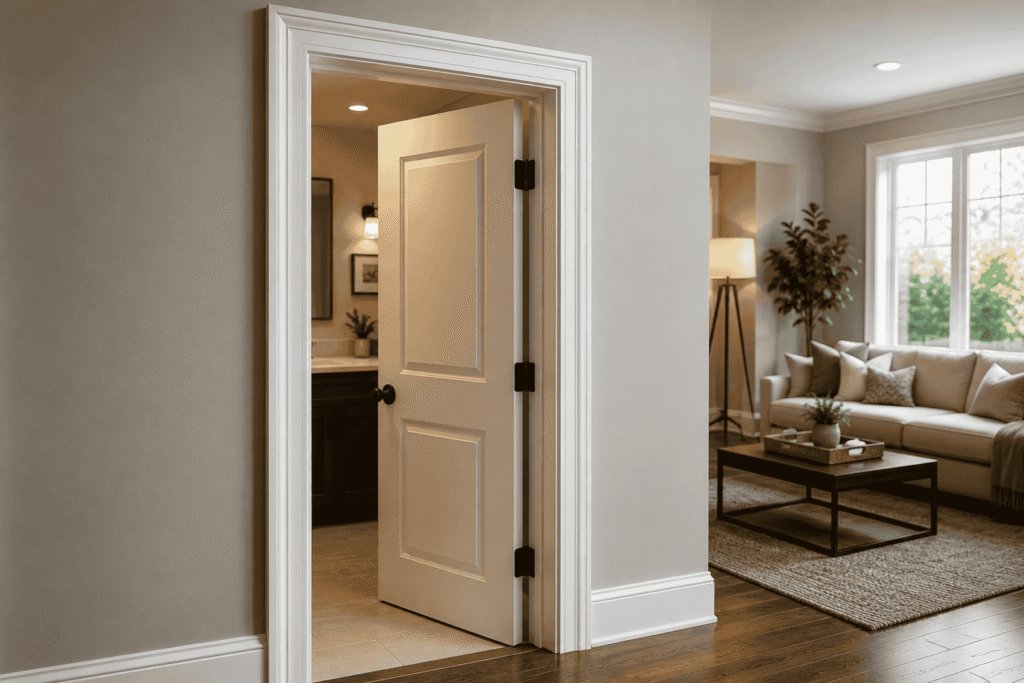
During renovation projects, understanding door jamb vs door frame becomes especially important when replacing doors. Many homeowners focus only on selecting a new door slab without evaluating the condition of the supporting structure. This can lead to installation complications and long-term performance issues.
Professional contractors typically inspect both the jamb and frame before recommending replacement options. If the frame remains structurally sound, a new door and jamb adjustments may be sufficient. However, warped frames, moisture damage, or structural movement often require a more comprehensive approach.
Accurate measurements are critical during installation. Even small alignment issues can affect door operation, energy efficiency, and security. Ensuring that the frame is square and plumb allows the jamb and door to function properly while minimizing future maintenance concerns.
Materials and Durability Factors
Material selection plays a major role in the longevity of both door jambs and door frames. Traditional wood remains popular because of its appearance and versatility, but modern composite materials offer improved resistance to moisture, insects, and weather-related deterioration.
Exterior applications frequently benefit from fiberglass or steel frame systems. These materials provide enhanced durability and require less maintenance than many wood products. They are particularly valuable in regions experiencing high humidity, extreme temperatures, or frequent precipitation.
For interior spaces, homeowners often prioritize aesthetics and compatibility with existing trim and architectural details. Wood jambs and frames remain common choices because they can be painted, stained, and customized to complement various interior design styles.
Energy Efficiency and Home Performance
Energy efficiency has become a major priority in modern home improvement projects. The relationship between door jamb vs door frame directly influences insulation performance, air sealing, and indoor comfort. Poorly installed components can allow drafts and increase heating and cooling costs.
High-quality jamb systems help create tighter seals around doors. Combined with weatherstripping and proper installation techniques, they reduce air leakage and improve thermal performance. This is particularly important for exterior doors that separate conditioned indoor spaces from outdoor environments.
Many homeowners underestimate the impact of door system upgrades on overall energy consumption. Replacing outdated frames and damaged jambs can significantly improve comfort while reducing utility expenses. These improvements often contribute to better long-term property value as energy efficiency becomes increasingly important to buyers.
Maintenance and Repair Considerations
Routine maintenance extends the lifespan of both door jambs and door frames. Regular inspections can identify issues such as moisture damage, loose hardware, cracking paint, and signs of structural movement before they become serious problems.
Wood components require particular attention because they are vulnerable to water infiltration and insect activity. Prompt repairs prevent localized damage from spreading throughout the door assembly. In many cases, replacing a damaged jamb section is far less expensive than replacing the entire frame.
Homeowners should also monitor door operation over time. Difficulty opening or closing a door may indicate settling, frame movement, or jamb deterioration. Addressing these issues early can prevent more costly repairs and preserve the performance of the entire door system.
Cost Factors and Budget Planning
Budget considerations often influence decisions regarding door repairs and replacements. In the door jamb vs door frame comparison, jamb repairs are generally less expensive because they involve a smaller portion of the overall assembly.
Complete frame replacement typically requires additional labor, material costs, and finishing work. Depending on the scope of the project, surrounding trim, drywall, flooring, and exterior finishes may also require modification or repair during installation.
Homeowners should evaluate both immediate expenses and long-term value when planning improvements. Investing in quality materials and professional installation often reduces future maintenance costs while improving durability, security, and energy performance.
Choosing the Right Solution for Your Home
Selecting between jamb repair, frame replacement, or a complete door system upgrade depends on the condition of existing components. Careful assessment helps homeowners avoid unnecessary expenses while ensuring long-term reliability and performance.
Professional inspections can identify hidden issues that may not be visible during a casual examination. Structural movement, moisture intrusion, and installation defects often affect the overall condition of door assemblies and should be addressed before new materials are installed.
Matching solutions to specific needs is essential. Interior doors, exterior entry systems, patio doors, and garage access doors each have unique performance requirements. Understanding how jambs and frames contribute to these systems helps homeowners make informed renovation decisions.
Conclusion
Understanding door jamb vs door frame is essential for anyone planning a home improvement project, replacing a door, or addressing maintenance concerns. Although the terms are frequently used interchangeably, they refer to different components within a door assembly. The door frame represents the entire supporting structure, while the door jamb serves as a critical section that supports hardware and guides door operation.
Knowing the distinction helps homeowners communicate effectively with contractors, select appropriate materials, and make smarter renovation decisions. It also allows for more accurate assessments when determining whether repairs or replacements are necessary.
Whether you are upgrading for better energy efficiency, improving home security, increasing property value, or simply replacing worn components, understanding how door jambs and door frames work together can lead to better outcomes. A properly installed and maintained door system delivers lasting performance, comfort, and reliability for years to come.
You may also read Hoome Estate
