
What Are the Best Screen Porch Ideas on a Budget?
The best screen porch ideas on a budget involve screening an existing covered porch or deck instead of building new. This can cost as little as $450 to $2,500 using fiberglass or aluminum mesh, secondhand furniture, and DIY labor. Smart material choices and off-season timing can cut typical project costs by more than half.
Why a Screened Porch Is Worth the Investment
A screened porch gives you bug-free outdoor living without the cost of a full sunroom. Therefore, it’s one of the highest-value upgrades a homeowner can make.
Screen porch ideas on a budget are especially popular right now. As a result, more homeowners are choosing to screen existing structures instead of building from scratch.
This guide walks through real 2026 pricing, DIY strategies, and design tricks. By the end, you’ll know exactly how to plan an affordable project that still looks polished.
Understanding Screened Porch Costs in 2026
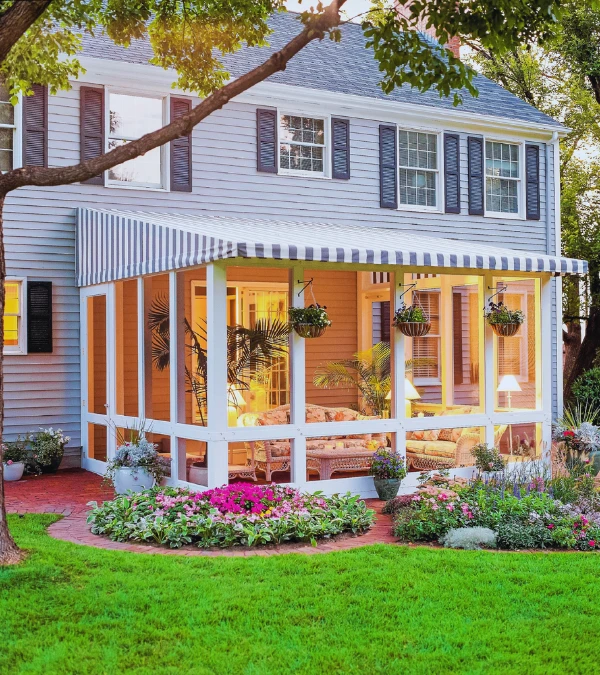
Screening an existing porch typically costs $10 to $25 per square foot, or roughly $2,000 to $5,000 on average. A brand-new porch build, by contrast, runs $50 to $175 per square foot, since it requires framing, roofing, and a foundation.
That difference matters. Furthermore, it’s the single biggest factor in keeping your project affordable.
Homeowners who already have a roof, posts, and a solid floor are in the best position. In fact, some contractors call this the “budget winner” scenario, because there’s no structural work needed.
- DIY screening kit: $250–$470 for tools and materials
- Professional screening (existing structure): $2,000–$5,800 total
- New porch construction: $10,000–$35,000+
However, your final number depends on porch size, screen material, and whether you hire a pro or DIY the whole project.
Screening an Existing Porch vs. Building New
If you already have a covered patio, deck, or porch, screening it is almost always the cheaper path. This is because the roof, floor, and support posts are already in place.
Building new means paying for concrete footings, framing lumber, and roofing on top of the screening itself. Therefore, most budget-focused homeowners should start by asking one question: do I already have a roof over my head outside?
- Existing structure: Screening only, no foundation work needed
- New build: Requires footings, framing, roofing, and screening
As a result, screening an existing space can save $8,000 or more compared to a full new build. That’s money you can redirect toward furniture, lighting, or ceiling fans instead.
Step-by-Step: How to Screen a Porch Yourself
DIY screening is one of the most effective screen porch ideas on a budget. Most two-person teams can finish a small porch in a single weekend.
- Inspect your posts and framing. Make sure they’re solid enough to hold screen tension.
- Measure your openings. Note the width and height of each section you’ll screen.
- Choose your screen material. Fiberglass or aluminum are the most budget-friendly options.
- Buy a screen kit or individual materials. Kits include spline, screen rolls, and a spline roller tool.
- Cut the screen slightly larger than each opening. This gives you room to work.
- Press the screen into the frame’s groove using the spline. Work slowly to avoid wrinkles.
- Trim excess screen with a utility knife. Cut close to the spline for a clean edge.
- Add a screen door last. This keeps the workflow simple and prevents damage to a finished door.
Consequently, most DIYers only need a spline roller, utility knife, and tape measure to complete the job. If you already own basic tools, materials alone can run as little as $450 for a 100-square-foot porch.
Budget-Friendly Screen Material Comparison
Not all screen materials cost the same, and the differences are significant. Choosing the right one is one of the easiest ways to control your budget.
| Screen Material | Cost Per Sq Ft | Best For |
| Fiberglass | $0.15–$0.50 | Best overall budget pick; mildew-resistant |
| Aluminum | $0.30 | Durable, slightly stiffer to install |
| Polyester | $0.60 | Good clarity, mid-range price |
| Pet-resistant mesh | +$0.20 over base | Homes with dogs or cats |
| Steel | $1.00 | Extra durability, higher cost |
| Bronze or copper | $6.00 | Premium look, not budget-friendly |
Fiberglass is the clear winner for budget projects. However, if you have pets, spending a little more on pet-resistant mesh will save you money on replacements later.
Cost Breakdown by Project Type
Here’s a simple breakdown to help you plan, whether you’re doing everything yourself or hiring help for parts of the job.
Budget tier ($450–$1,500):
- DIY screening on an existing porch
- Fiberglass or aluminum mesh
- Secondhand or repurposed furniture
Mid-range tier ($2,000–$5,800):
- Professional screening on an existing structure
- Composite or upgraded flooring
- New ceiling fan and basic lighting
Premium tier ($10,000+):
- New porch construction from the ground up
- Custom framing, roofing, and foundation
- High-end screen systems like retractable or Crimsafe mesh
Therefore, most budget-conscious homeowners should aim for the first two tiers. That range delivers a comfortable, bug-free space without stretching your finances.
10 Design Ideas That Look Expensive but Aren’t
A tight budget doesn’t mean a boring porch. These ideas focus on visual impact per dollar spent.
- Paint the porch floor in a bold pattern. A stenciled or checkerboard floor costs little but adds major character.
- Hang secondhand outdoor curtains. They soften the space and add privacy without blocking airflow.
- Use string lights instead of fixed wiring. This avoids electrician costs while adding warm ambiance.
- Repurpose indoor furniture with weatherproof cushions. A few coats of exterior sealant extend furniture life.
- Add a large outdoor rug. It instantly makes the space feel finished and cohesive.
- Install a ceiling fan kit yourself. Basic models cost under $100 and dramatically improve comfort.
- Build simple shelving from reclaimed wood. This adds storage and rustic charm at almost no cost.
- Choose black or bronze-painted screen frames. Dark frames disappear visually and look more custom.
- Add potted plants along the railing. Greenery is one of the cheapest ways to elevate any space.
- Use a folding table for flexible seating. This keeps the layout adaptable for parties or quiet mornings.
As a result, these upgrades combined often cost less than a single professional design consultation. Furthermore, most can be finished in a weekend or two.
Common Mistakes to Avoid
Even budget-friendly projects can go over cost if you skip a few key checks. Avoid these common pitfalls.
- Skipping the structural inspection. Weak posts can’t handle screen tension and may fail early.
- Choosing the cheapest screen without checking pet-resistance. Regular mesh tears quickly around claws.
- Ignoring local permit rules. Many areas require permits even for simple screening projects.
- Ordering the wrong screen width. Standard rolls come in 36, 48, or 60 inches, so measure twice.
- Forgetting to screen under a raised deck floor. Bugs can enter from below if this step is skipped.
- Rushing the spline installation. Wrinkled screens look unprofessional and may need redoing.
Therefore, a little planning upfront prevents costly do-overs later. This is especially true for first-time DIYers.
Frequently Asked Questions
How much does it cost to screen in an existing porch?
Screening an existing porch typically costs $10 to $25 per square foot. For a 200-square-foot space, that’s roughly $2,000 to $5,000 total.
What is the cheapest screen material for a porch?
Fiberglass is the most affordable option at $0.15 to $0.50 per square foot. It also resists mildew better than some pricier alternatives.
Can I screen in my porch myself?
Yes, most homeowners can DIY a porch screening project in one to two days. A basic kit with tools costs around $250 to $470.
Do I need a permit to screen my porch?
It depends on your location, so always check with your local building department first. Some areas only require permits for new construction, not simple screening.
What’s the difference between a screened porch and a sunroom?
A screened porch allows airflow through mesh screens, while a sunroom is fully enclosed with glass. Screened porches are almost always the more budget-friendly option of the two.
Conclusion
Finding the right screen porch ideas on a budget comes down to one simple strategy: screen what you already have instead of building new. Choosing fiberglass or aluminum mesh, doing the labor yourself, and decorating with repurposed pieces can bring your total cost well under $2,000.
Therefore, you don’t need a massive budget to enjoy bug-free outdoor living this season. Start with the step-by-step process above, pick your favorite design ideas, and turn your porch into a space you’ll actually use every day.
For more inspiration and ideas, visit: Hoome Estate
